
Nasha Mukti Kendra in Punjab
Trusted Nasha Mukti Kendra in Punjab for Safe & Effective Treatment
Addiction is not merely a bad habit. It is a severe disease that gradually influences the body, mind, emotions, relationships, working life, and future of a person. Drug and alcohol addiction has become an issue that has affected several families in Punjab, and on most occasions, when a family member starts to lose control, the other family members are not aware of what to do. A trusted rehabilitation centre like Gurfateh Foundation provides structured treatment programs that focus on long-term recovery and complete lifestyle improvement.
The harmful impact of addiction has been closely experienced in Punjab. Youths, employed members of the population, and even elderly people may fall into substance abuse due to various reasons. Some begin due to stress, some to curiosity, some to bad company, and some due to emotional agony, depression, or trauma. After addiction has set in, it influences the daily life, relationships, finances, self-esteem, and even the physical health of the individual. Most families continue to hope that the problem will resolve itself, but addiction only worsens when ignored.
In Punjab, Nasha Mukti Kendra is a well-known place where one should go to recover. It also offers a comfortable environment where the patients are handled with respect, dignity, confidentiality, and appropriate medical care. Many individuals can recover and have their lives restored with the proper treatment plan. The first step is the most crucial step to be taken at the right time.
In need of assistance personally or for a loved one, the selection of the appropriate rehabilitation centre can be a life-altering one. The sooner the treatment is started, the higher the likelihood of having a full recovery.
What is a Nasha Mukti Kendra?
A Nasha Mukti Kendra is a special de-addiction and rehabilitation centre, which assists individuals to quit being addicted to alcohol, drugs, and other substances that harm the body. The centres are also designed to help in recovery in an organized manner as opposed to relying on willpower alone. Treatment of addiction involves medical care, psychiatric services, behavioral therapy, emotional care, and a disciplined environment. A great centre integrates all this to assist the patient in healing without problems.
A Nasha Mukti Kendra usually provides:
- Medical assessment and supervision
- Detoxification support
- Counseling and therapy
- Family guidance
- Group support sessions
- Structured daily routine
- Relapse prevention planning
- Long-term follow-up care
The goal is not only to remove the addiction, but also to help the person learn how to live a stable, healthy, and productive life after recovery. That is why a professional Nasha Mukti Kendra is much more effective than trying to manage addiction alone at home.
Why Punjab Needs Strong Addiction Recovery Support
The addiction problem is not new to Punjab, as many families here have experienced its emotional and social impact. This has been the case whether in rural, urban, or suburban Punjab. In one instance, one person’s addiction can put pressure on family finances. However, in other cases, this situation might generate family friction, humiliation, shame, fear, and emotional burnout. It can also cause one’s self-respect to go down and isolate him/her from society.
There could be many factors that can lead someone into drug and alcohol abuse in Punjab. The availability of these substances in some areas is one factor. Peer influence or peer pressure can be another. Many youths use drugs out of peer pressure or thinking that the activity will end quickly. Some people take them because they feel pressured to blend into the environment. Others become addicted due to issues like stress, depression, unemployment, family problems, or personal hurt. In the end, what started as a small activity escalates into an addictive behavior.
It is, therefore, very evident that there is a great need for a robust Nasha Mukti Kendra in Punjab. Such institutions will play a significant role in helping those with addictions recover by
Common Types of Addiction Treated in a Nasha Mukti Kendra in Punjab
Numerous types of dependency are treated in a professional de-addiction centre. All types of addiction impact an individual differently, and, therefore, the treatment plan should be tailored.
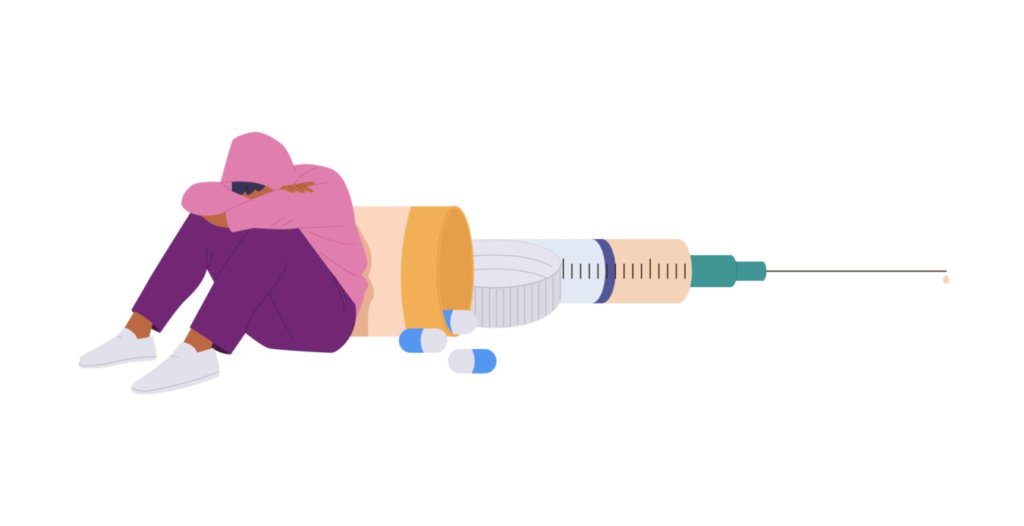
Drug Addiction
One of the gravest types of substance abuse is drug addiction. It can be heroin, opiates, cannabis, synthetic drugs, or even the mishandling of prescription drugs. The nervous system may be impacted, the body may be weakened, judgment may be impaired, and dangerous patterns of behavior may be formed due to drug addiction. The individual can start skipping work, lying to relatives, losing money, and getting emotional.
A Nasha Mukti Kendra in Punjab can assist these patients through medically assisted detox, therapy, behavior modification,n and relapse prevention. The process of treatment is determined by the severity of the addiction and the duration of the addiction.
Alcohol Addiction
The problem of alcohol addiction is usually overlooked at the onset since the consumption of alcohol is socially acceptable in most localities. Nevertheless, the constant or overindulgence in drinking may result in dependence, liver problems, loss of memory, anger, and family disharmony. Most individuals are not aware of when they have crossed boundaries of social drinking into addiction.
The treatment of alcohol addiction may incorporate medical assessment, detoxification, therapy, and permanent lifestyle modification. A rehabilitation centre makes the patient realize the harm he/she is inflicting on himself/herself and provides him/her with the means to remain sober.
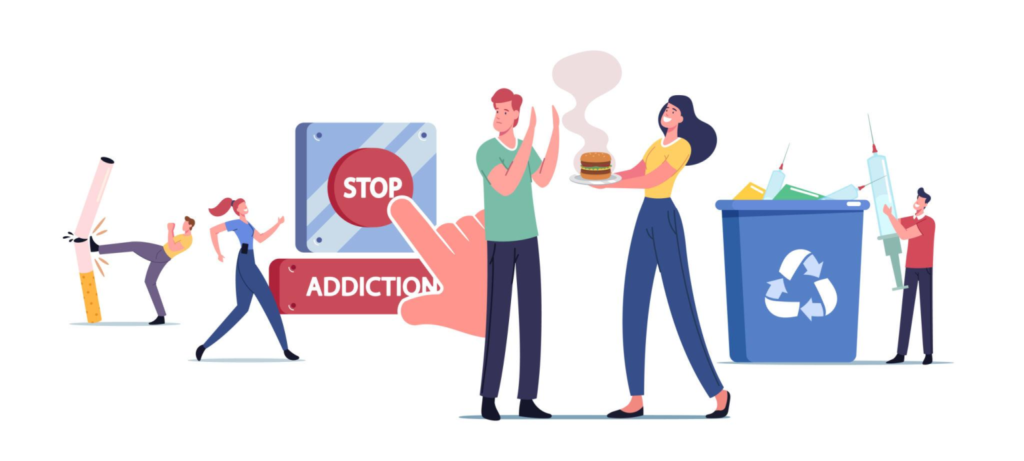
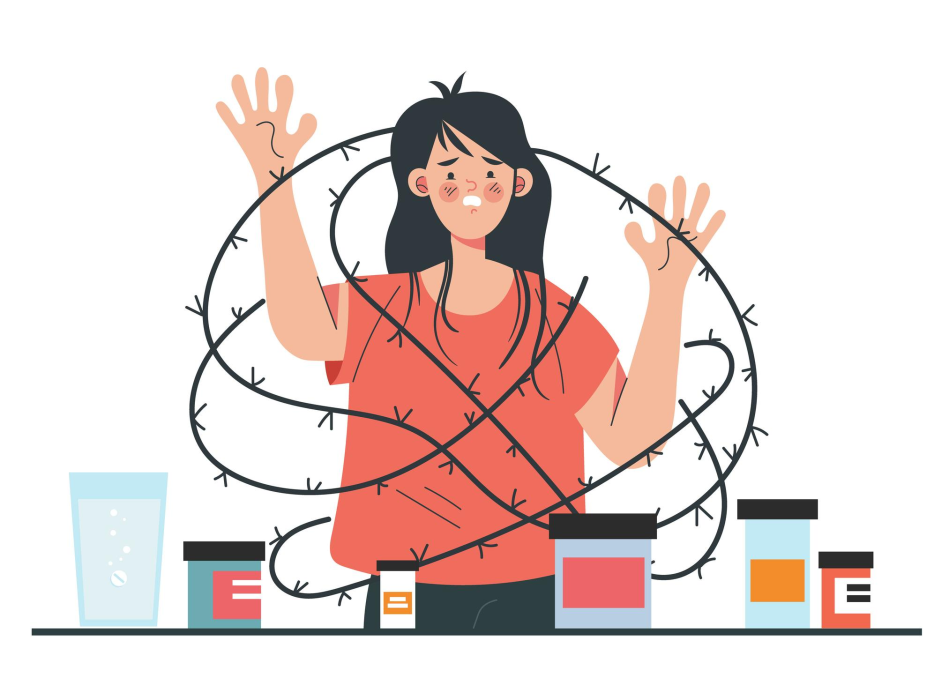
Prescription Drug Dependency
Some get addicted to drugs initially prescribed to relieve pain, anxiety, sleep, or other health conditions. Painkillers, sedatives, or anti-anxiety pills are examples of medicines that are addictive when overused or abused. These substances are usually prescribed by doctors; thus, it happens that many individuals do not even know that they are getting a dependency until the situation gets out of control.
A professional centre assists in safe withdrawal management and offers other coping mechanisms to enable the individual not to relapse to misuse.
Behavioral Addictions
Not all addictions are connected with alcohol or drugs. There are also those individuals who have problems with behavioral addictions such as gambling, gaming, or overuse of the internet. The habits are capable of having grave impacts on day-to-day life, particularly where the individual loses control of the amount of time spent on the activity. Poor performance, isolation, loss of money, and emotional stress can be the outcome.
Such behavioral problems can also be counseled in a well-rounded rehabilitation centre, particularly where they are intertwined with stress, depression,n or family pressure.
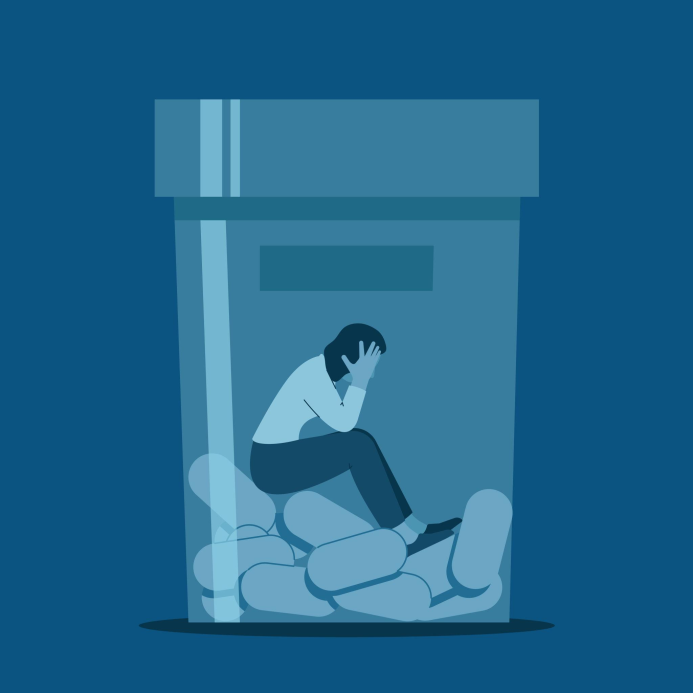
How Addiction Affects the Person and the Family
Addiction does not remain within the confines of a single individual. It leaves the house, influences the atmosphere of the family, causes emotional stress, and can often alter the family structure. Parents can be helpless. Husbands and wives can be deceived and weary. Children might be scared or disoriented. The siblings can be neglected. Addiction may also result in guilt, shame, frustration, and self-hate in the addict.
Physically, the addiction may be manifested by weakness, insomnia, lack of appetite, liver issues, heart overload, lowered immunity, and severe withdrawal symptoms. It may cause anxiety, depression, anger, mood swings, hopelessness, and low self-worth emotionally. It may result in social isolation, loss of trust, destroyed relationships, and a bad reputation.
Some households take months or even years to control addiction by arguing, pressuring their loved ones emotionally, or giving them frequent warnings. This,s in the majority of cases, does not cause a sustained change. This individual can take a couple of days off, but as a result, they tend to relapse again due to the underlying issue not being addressed. This is the reason why professional intervention is needed.
One of the Nasha Mukti Kendra in Punjab assists the patient and family to better understand addiction. It provides structure, guidance,e and emotional support. When the whole support system is engaged, recovery becomes easier.
Signs That Someone Needs a Nasha Mukti Kendra
Early detection of addiction is not always straightforward, as the individual may be trying to conceal it. Nevertheless, such signs as common warning signs cannot be overlooked. Their early identification will help avoid the progression of the condition.
Some signs include:
- Feeling that one requires increased amounts of the substance in the long run.
- Being unable to control the amount consumed.
- Being secretive or dishonest.
- Sudden mood swings
- Often irritable or violent.
- Sleep or appetite disorder.
- Overlooking family, studies, work, or duties.
- Substance use-related financial issues.
- Loss of friends and family.
- Inability to work physically or sickly.
- Desires that are difficult to resist.
- Unsuccessful quitting.
Repeated occurrence of such signs is a sign that it is time to consult a professional. Waiting is seldom an effective way to overcome addiction. Treatment is complicated in most situations by delay. The sooner the treatment is given, the higher the chances of recovery.
The Significance of Early Treatment.
Most families take too long before reaching a rehabilitation centre. They wish things will clear out on their own, or they attempt to deal with everything themselves. Delays may complicate matters when it comes to privacy, which is natural. The greater the duration of addiction, the more harm it will bring to the body, brain, relationships, and mental health.
Early intervention can prevent:
- Severe withdrawal complications
- Dangerous behavior
- Family breakdown
- Financial ruin
- Health emergencies
- Career loss
- Legal trouble
The person is more likely to react favourably once early treatment is started. This increases their chances of re-establishing the habit before addiction takes hold. Since one has not lost everything, early help also promotes emotional healing. For this reason, finding a trustworthy Nasha Mukti Kendra in Punjab might be a very important first step.
How a Nasha Mukti Kendra in Punjab Works
A professional rehabilitation centre follows a structured treatment process. It does not rely on guesswork. Every patient is first assessed, then given a personalized recovery plan.
1. Initial Assessment
The recovery process begins with a proper evaluation. Doctors, counselors, or trained staff speak with the patient and, in some cases, with family members. They try to understand:
- The type of substance used
- The duration of addiction
- The severity of dependence
- Mental health status
- Physical health condition
- Family history
- Emotional triggers
- Past treatment attempts
This assessment helps the team decide what kind of treatment is required.
2. Detoxification
The process of eliminating dangerous drugs from the body is known as detox. It is often the first step in treatment. During detox, the patient may experience withdrawal symptoms such as restlessness, sweating, headaches, anxiety, nausea, sleep problems, or cravings. These symptoms can be difficult, which is why medical supervision is important.
A professional centre monitors the patient carefully and ensures detox is handled in the safest way possible. The goal is to make the body stable enough for the next stage of recovery.
3. Counseling and Therapy
Once detox is complete or underway, counseling becomes a major part of treatment. Addiction is not only physical. It is also emotional and psychological. Many people use substances to escape pain, trauma, boredom, loneliness, depression, stress, or pressure. Counseling helps uncover these reasons.
Common therapy methods include:
- Individual counseling
- Group therapy
- Family counseling
- Cognitive Behavioral Therapy
- Motivational sessions
- Stress management therapy
These sessions help the patient understand their behavior, identify triggers, and learn healthier ways to respond to life challenges.
4. Rehabilitation and Routine Building
A good Nasha Mukti Kendra does not leave the patient idle. A structured routine is a major part of recovery. Patients are encouraged to wake up on time, eat properly, attend therapy, participate in healthy activities, and stay involved throughout the day. Discipline helps restore confidence and improve mental stability.
The routine may include:
- Morning exercise
- Yoga or meditation
- Healthy meals
- Counseling sessions
- Group interaction
- Recreational activities
- Skill development
- Quiet reflection time
This type of environment helps patients replace destructive habits with positive ones.
5. Relapse Prevention
Recovery does not end when the patient stops using the substance. The real challenge is staying free from addiction after leaving the centre. Relapse prevention is therefore one of the most important parts of treatment. Patients learn how to handle triggers, deal with stress, avoid harmful company, and make better choices in difficult situations.
This stage may include:
- Follow-up sessions
- Ongoing counseling
- Support group participation
- Family guidance
- Lifestyle planning
- Coping strategy training
A centre that takes relapse prevention seriously has a much better chance of helping the patient recover permanently.
Why a Good Nasha Mukti Kendra in Punjab Matters
Not all rehabilitation centres offer the same quality of care. Choosing the right one matters because addiction recovery requires trust, patience, professionalism, and consistency. A poor facility can make the patient feel ignored, ashamed, or confused. A good one can create hope, stability, and motivation.
A strong rehabilitation centre should offer:
- Experienced doctors and counselors
- Personalized treatment plans
- Clean and safe environment
- Confidential support
- 24/7 assistance
- Emotional and mental care
- Long-term recovery planning
A patient needs more than just treatment. They need a place where they feel respected and understood. They need people who know how to guide them without judgment. That is what makes a strong Nasha Mukti Kendra in Punjab valuable.
Benefits of Joining a Professional Nasha Mukti Kendra
It is also much easier to recover when a patient is taken care of by trained experts. Reasons why one should join a rehab centre rather than attempting to fight addiction on his/her own are numerous.
Professional Medical Support
People who are knowledgeable about addiction and withdrawal monitor the patient. This minimizes chances of complications and offers safer recovery process.
Structured Environment
A rigorous regimen can assist the body and mind to readjust to healthy practices. During recovery, stability is highly valued.
Emotional Healing
Therapy provides patients with an opportunity to talk freely about pain, triggers, guilt and fear. Emotional recovery is the element that can be missing in recovery.
Family Involvement
When the family is provided with the right guidance, they are able to contribute to recovery instead of contributing inadvertently. Family support enhances results.
Long-Term Improvement
The centre is not interested in short-term abstinence only. It strives to achieve long-term transformation, healthier habits, and a more balanced life.
Improved Self-Esteem
The individual gains confidence as he/she starts believing in him/her again as the individual starts recovering. This is an effective healing aspect.
Less risk of Relapse
The possibilities of relapsing into addiction are reduced significantly with the appropriate support and planning.
Family’s Role in Recovery
Families often feel helpless when addiction enters the home. Some try to control the person through anger. Others become silent out of fear or shame. Neither approach is very effective. What families really need is guidance.
Family members play a huge role in recovery. They can:
- Encourage treatment without blame
- Attend counseling sessions
- Learn about addiction
- Avoid enabling harmful behavior
- Create a stable home atmosphere
- Offer emotional support
- Celebrate progress
- Stay patient during setbacks
A family that understands addiction becomes part of the solution. That is why many Nasha Mukti Kendras include family counseling as part of the treatment program. The goal is to heal the whole support system, not only the patient.
Modern Treatment Approaches Used Today
Today, it is more complex to treat addiction than to detox and rest. The evidence-based practices that are adopted in rehabilitation centres target the mind, behaviour, emotions and lifestyle of the patient.
Cognitive Behavioral Therapy
This will assist the individual in recognizing the negative thoughts and substituting them with more realistic and healthy thoughts. It can be applied to learn triggers and develop self-control.
Motivational Therapy
Not all patients have confidence in recovery. Motivational meetings assist them in re-identifying their motivation to change and remain in treatment.
Group Therapy
When patients listen to other patients having shared experiences with them, they know that they are not the only ones. Group therapy brings about a sense of connection, support, and accountability.
Holistic Therapies
A variety of centres offer yoga, meditation, breathing exercises, music therapy, and art-related activities. Such practices aid in relaxing the mind and relieving stress.
Medication Support
Doctors can, in certain instances, prescribe medicines to deal with the withdrawal symptoms or cravings. It is only done with due supervision and when necessary.
Life Skills Training
Recovery, as well, implies how to live better following addiction. Other centres impart communication, time management, discipline, hygiene, and work habits.
These methods together create a stronger recovery foundation.
What a Daily Routine in a Rehab Centre Looks Like
A healthy routine is a key part of rehabilitation. It gives the day structure and prevents boredom, loneliness, and chaos. A patient in a good centre usually follows a plan that keeps both the body and mind active.
A typical day may include:
- Early wake-up
- Freshening up and personal care
- Morning prayer, meditation, or yoga
- Breakfast
- Counseling or therapy sessions
- Rest or reading time
- Group interaction
- Healthy lunch
- Physical activity or light exercise
- Skill-building or motivational sessions
- Evening reflection
- Dinner
- Sleep at a fixed time
This type of routine helps the person reconnect with healthy living. Over time, discipline becomes a habit, and habits create long-term change.
Challenges During Recovery
Addiction recovery is not a straight road. There are ups and downs. Some days feel easier than others. Some patients may progress quickly, while others may struggle more. This is normal.
Common recovery challenges include:
- Cravings
- Withdrawal discomfort
- Mood swings
- Frustration
- Fear of failure
- Peer pressure
- Lack of patience
- Emotional triggers
- Shame or guilt
A good rehab centre does not panic when these challenges appear. It helps the patient work through them. With proper support, most obstacles can be managed. Recovery is a process of growth, not perfection.
Why Relapse Happens and How It Can Be Prevented
Relapse does not mean failure. It means the patient needs stronger support, better coping tools, or a modified recovery plan. Many people relapse because they return too quickly to the same environment, same friends, same stress, or same emotional triggers that caused the problem in the first place.
Relapse prevention focuses on:
- Avoiding triggers
- Building routine
- Staying connected with support
- Managing stress properly
- Recognizing warning signs early
- Maintaining healthy habits
- Continuing counseling when needed
A patient who understands relapse prevention is much better prepared for real life after rehab. That is why a Nasha Mukti Kendra in Punjab should always include long-term recovery guidance.
Why Some People Delay Treatment
Many individuals postpone treatment even when they are addicted. This occurs due to several reasons. Some do not believe that they have a problem. The other ones fear judgment. Other families are concerned with reputation. Others feel that treatment is prohibitively costly. There is a hope that the situation will improve without professional assistance.
Such fears are not unreasonable, but the postponement tends to bring more suffering in the future. Mostly, the addiction is allowed to go on too long, making the treatment hard and expensive. The sooner the better.
The thing is straightforward; there is no shame in addiction treatment. It is a prudent action towards health and dignity.
Emotional Side of Addiction.
Pain is usually behind all addiction issues. Others are under pressure to do. Some feel lonely. Others are bringing sadness, trauma, failure, rejection, or self-doubt. The use of substances can dull those emotions, and this is the reason why individuals keep using them. However, the relief does not last long, and the original pain tends to increase.
An excellent rehabilitation centre comprehends this emotional aspect. It does not regard the patient as a problem. It looks upon them as an individual who has to be assisted, ordered, and healed. Patients are more receptive to the healing process when they feel respected.
Emotional healing can require time, and it is among the most crucial aspects of recovery.
What Makes a Trusted Nasha Mukti Kendra in Punjab Different
A trustworthy centre does more than offer beds and basic services. It creates an atmosphere of hope, care, privacy, and real recovery. The difference is seen in how patients are treated and how seriously the centre takes each step of recovery.
A reliable centre usually has:
- Trained and experienced staff
- Respectful communication
- Individual care plans
- Safe treatment methods
- Clean and comfortable surroundings
- Support for families
- Focus on long-term outcomes
- Honest guidance
This matters because recovery is sensitive work. A patient needs to feel safe enough to open up, follow the plan, and trust the process.
The Importance of Confidentiality
Families are afraid of privacy and are reluctant to seek help. It is particularly prevalent in smaller communities in which individuals are afraid of gossip or being judged. A professional Nasha Mukti Kendra in Punjab upholds confidentiality and has the sense of discretion.
Patients ought to be in a position to seek treatment without feeling exposed or embarrassed. Confidential care ensures that there is less fear and makes the families more willing to take the first step. An organisation that cherishes privacy is mature and professional.
The Transformation of Life with Recovery.
Healing is more than addiction. It transforms the life pattern altogether. It can help a person who previously felt trapped to start feeling in control. They can begin to sleep, think, reunite with family and take care of responsibilities. Their self-respect is gradually restored. So does their hope.
The recovery usually results in:
- Better health
- Stronger family relationships
- More stable emotions
- Improved focus
- Better work performance
- Greater confidence
- More peace of mind
- A better future
That is why rehabilitation does not only involve the cessation of substance. It is concerning the restoration of a life.
The Reason Why The Location in Punjab is Important
Punjab is a big state that is composed of numerous cities and towns, and not all areas can access treatment. Be it the search for the centre in Ludhiana, Amritsar, Jalandhar, Patiala, Bathinda, Mohali, Hoshiarpur, or any other region of Punjab, the quality of care will count more than the city name. The centre must be well equipped, calm, and accessible.
Families would like a location that is not excessively distant, so they can visit or keep in touch. Simultaneously, the centre must be calm enough to promote healing. If you are located nearby, you can also explore our Nasha Mukti Kendra in Ludhiana for accessible and effective treatment options.
Indications of Success in Therapy.
It is a long process of recovery, but there are undeniable indications that treatment is successful. The families must seek gradual improvements and not immediate transformation.
Positive signs include:
- Better sleep
- Reduced cravings
- Improved mood
- More honesty
- Increased cooperation.
- Better hygiene
- Interest in therapy
- Stronger communication
- Increased awareness of triggers
- Better routine and discipline
The advancement can be disproportional, but even minor gains are important. Any movement forward is an indication of a healing process.
Myths About Nasha Mukti Kendras
Addiction treatment is subject to numerous misconceptions. Such myths prevent the receipt of the required help.
Myth 1: Addiction is a bad habit
It goes far beyond a habit. It influences the behaviour, emotions, and brain functioning.
Myth 2: It is only individuals who have no restraint that get addicted
Anyone can be addicted. It is highly dependent on several factors, which include stress, trauma, environment, and biology.
Myth 3: There is no recovery
With the correct guidance, time, and dedication, recovery is not impossible.
Myth 4: The severe cases can only be treated
It is always better to be treated at a young age. Although the issue may be minor at the moment, it may expand in the future.
Myth 5: Rehab implies that the person is punished
Rehabilitation is not punishment. It is a healing and supportive place.
Busting these myths contributes to better decisions by families.
The Importance of Early Response in Saving Lives
In some cases, families only turn to help after a crisis has occurred. They can wait until there is a medical emergency, involvement of the police, or serious breakdown. Yet you had better strike the sooner. Addiction is easier to cure once it is not that extreme, the harm is less, and the emotional burden is reduced.
Early intervention may help avoid:
- Overdose risks
- Serious withdrawal problems
- Extreme mental illness.
- Long-term family damage
- Financial collapse
- Legal trouble
It is possible that a visit to a Nasha Mukti Kendra in Punjab can be the place where it all will start to change.
What to Look for Before Choosing a Centre
Before selecting a rehabilitation centre, families should consider the following:
- Experience and reputation
- Treatment approach
- Medical support
- Counseling facilities
- Cleanliness and safety
- Patient privacy
- Family involvement
- Aftercare support
- Staff behavior
- Realistic recovery planning
A good centre should answer questions honestly and explain the treatment process clearly. Families should feel informed, not pressured. Trust is essential.
Our Approach to Recovery
A strong de-addiction centre should focus on complete care, not short-term control. The right approach includes medical stability, emotional healing, behavior change, family support, and relapse prevention.
At a trusted Nasha Mukti Kendra in Punjab, the recovery approach should include:
- Personalized treatment plans
- Safe detox support
- Counseling and therapy
- Emotional and family care
- Healthy routine and lifestyle correction
- Long-term relapse prevention
- Respectful and confidential support
This type of approach gives the patient the best possible chance at long-lasting recovery.
Why People Return to Addiction Without Proper Help
Quite a few attempt to quit by themselves and manage to do it a little. Then pressures, suffering, solitude, or ancient ways draw them. This is because addiction is not merely concerned with quitting the drug. It is also related to the transformation of the environment, ways of thinking, aspects of emotional habits, and the organization of everyday life.
The individual might:
- Go back to old friends or places.
- Use drugs to deal with stress.
- Feel unsupported
- Become overwhelmed by cravings.
- Lose motivation
Rehabilitation is a way to break this cycle. It provides the individual with a different system of life.
Recovery is a Family Journey Too
The whole family is impacted when an individual is addicted. This is why recovery is a family process as well. Family members might also require healing, education, and support, as well. They might be required to learn to establish limits, to communicate more effectively, and to support without enabling.
The involvement of families in the recovery process leads to improved results. The recovering individual will experience a sense of not being alone, and the family will be more stable. The Nasha Mukti Kendra, which is good, realizes this and involves the family in the healing process.
Life After Rehab and Long-term Recovery.
A stay is not the aim of a rehab centre. The actual aim is to equip the individual for life following treatment. That involves confronting actual problems in the real world without relapsing into previous behavior.
Recovery in the long term may include:
- Regular check-ins
- Continued counseling
- Supportive family environment
- Positive friendships
- Work or skill-building
- Healthy habits
- Stress management
- Avoiding triggers
- Remaining involved with recovery support
A well-developed post-rehab plan helps a patient to remain on track.
Final Message
Addiction can be devastating, yet not the stop. One can get back on his/her feet with the help of the right support, the right treatment program, and the right environment. Nasha Mukti Kendra is a professional center in Punjab that provides the framework, treatment, and healthcare attention needed to enable addicts to be free of addiction and restore their lives.
It may be an addiction to alcohol, drugs, prescription medicine, or bad behavioral habits, but one can be saved in time, and the difference may be enormous. The quicker the intervention, the higher the likelihood of recovery in the long term. The families should not wait until the situation deteriorates. Professional assistance is there, and the healing can start.
You can get professional help by contacting us and starting the recovery journey in a safe and supportive environment.

FAQ
Q1. What is Nasha Mukti Kendra?
A Nasha Mukti Kendra helps individuals to quit addiction through the assistance of detox, counseling, therapy, routine building, family support, and relapse prevention.
Q2. How long is the treatment of addiction?
The duration of the treatment is based on the severity of addiction, the drug used, the health of the patient who has become addicted, and the recovery process. Some others will need less time to stay, and some will need a longer time.
Q3. Is addiction treatment confidential?
Yes, a professional centre is obliged to be mindful of confidentiality and to ensure patients’ privacy throughout the treatment process.
Q4. Can family members still be involved in recovery?
Yes. Family role also tends to be important and may contribute greatly to recovery.
Q5. What is the after-rehab?
After rehabilitation, patients are likely to receive aftercare advice, counseling, support, and guidance on healthy habits to deter relapse.